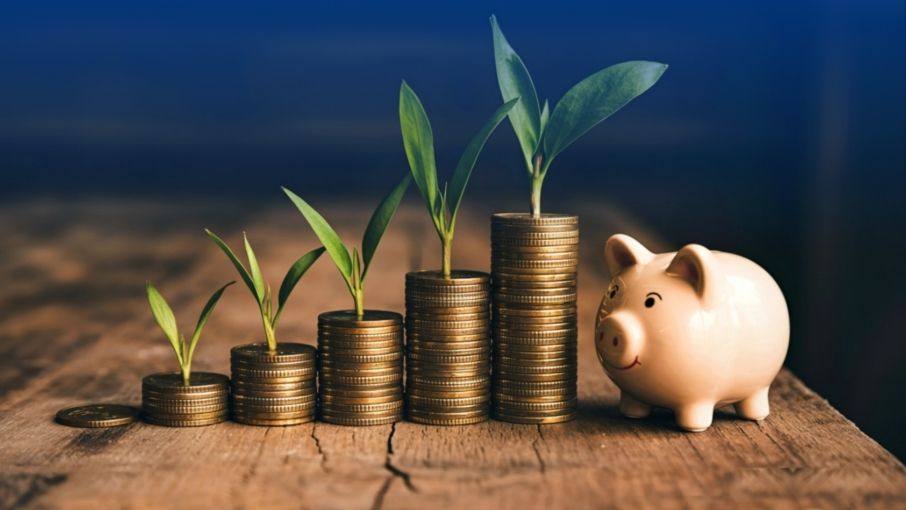
Probably one of the earliest financial lessons many of us hear is simple: work hard and save early. Save for a house, a car, or the capital to start a business. Savings, we’re told, are what turn plans into something tangible.
That advice is sound. It is also incomplete.
Dreams don’t exist in a vacuum. Daily life has a way of competing with long-term goals, especially for people whose income is steady but stretched thin.
Take Jun, a freelance motorcycle rider earning around ₱25,000 a month. On paper, that is higher than the minimum wage. In practice, much of it goes straight back out. Fuel, maintenance, and mobile data are part of the job. Add rent, food, and family support, and the room for saving shrinks quickly. The question becomes less about discipline and more about timing: how does someone like Jun move forward when waiting to save feels like standing still?
READ: The rising gig economy | Inquirer Opinion
The case for ipon
Saving remains the safest foundation of personal finance. Setting aside even a small amount builds discipline and forces choices about priorities. Over time, it creates a buffer that can absorb small shocks.
Yet savings have limits. They grow slowly, especially when income barely covers expenses. They are also fragile. A medical emergency or a major repair can wipe them out overnight. For many households, savings are less an investment and more a holding area, meant to be used when something goes wrong.
Why people borrow
Loans exist because life rarely follows a neat timeline. Compared with saving over several years, borrowing provides immediate access to capital. This can matter when an opportunity or a crisis cannot wait.
There are many forms of credit, from unsecured personal loans to collateral-backed financing. For riders like Jun, there is an option that allows borrowing without giving up the motorcycle he relies on for income. Sangla OR/CR uses a vehicle’s registration documents as collateral, keeping the motorcycle on the road while unlocking cash. These loans are often easier to access and structured with terms designed for working borrowers.
Used well, credit can function as a bridge. It moves someone from where they are to where they need to be, faster than saving alone would allow.
To save or to borrow?
The answer depends on the purpose and the timing. Saving works best for planned expenses and for those with enough margin to handle emergencies. Borrowing makes more sense when costs are unexpected or when funds are used to expand income, such as starting a small business.
What matters is whether the loan supports earning potential. If a business generates steady cash flow, its income can cover monthly payments while creating room to grow. Poorly planned debt, on the other hand, only adds pressure to an already tight budget.
Finding balance
There is no universal formula. Financial choices are personal and shaped by income, risk, and circumstance. For many, the most realistic path lies in combining both approaches: save whenever possible, borrow when it serves a clear purpose, and choose lenders carefully.
What ultimately makes instant gratification sensible is intention. When money is used with a plan, it stops being a shortcut and becomes a tool. The old advice about saving still holds, but it needs an update. Working hard and planning well sometimes means waiting. Sometimes it means acting now, so that progress doesn’t have to wait with you.

Mark strives to combine creative thinking and a deep understanding of technology to solve real-world challenges. He leads business development at Cycle Financing Corp., a financial institution focused on expanding financial access to Filipino motorcycle riders nationwide. Learn more about their flexible financing programs at cyclefinancing.ph or through their social media channels.